
War is the topic of countless numbers of books. They can be used as a spectacular genre. I personally love war books and have read quite a few of them myself. They include: I Am Rebel, Code name bananas, The Hunger Games: Mockingjay and I have made a few chapters of one called Fire Bird which is about World War 2.
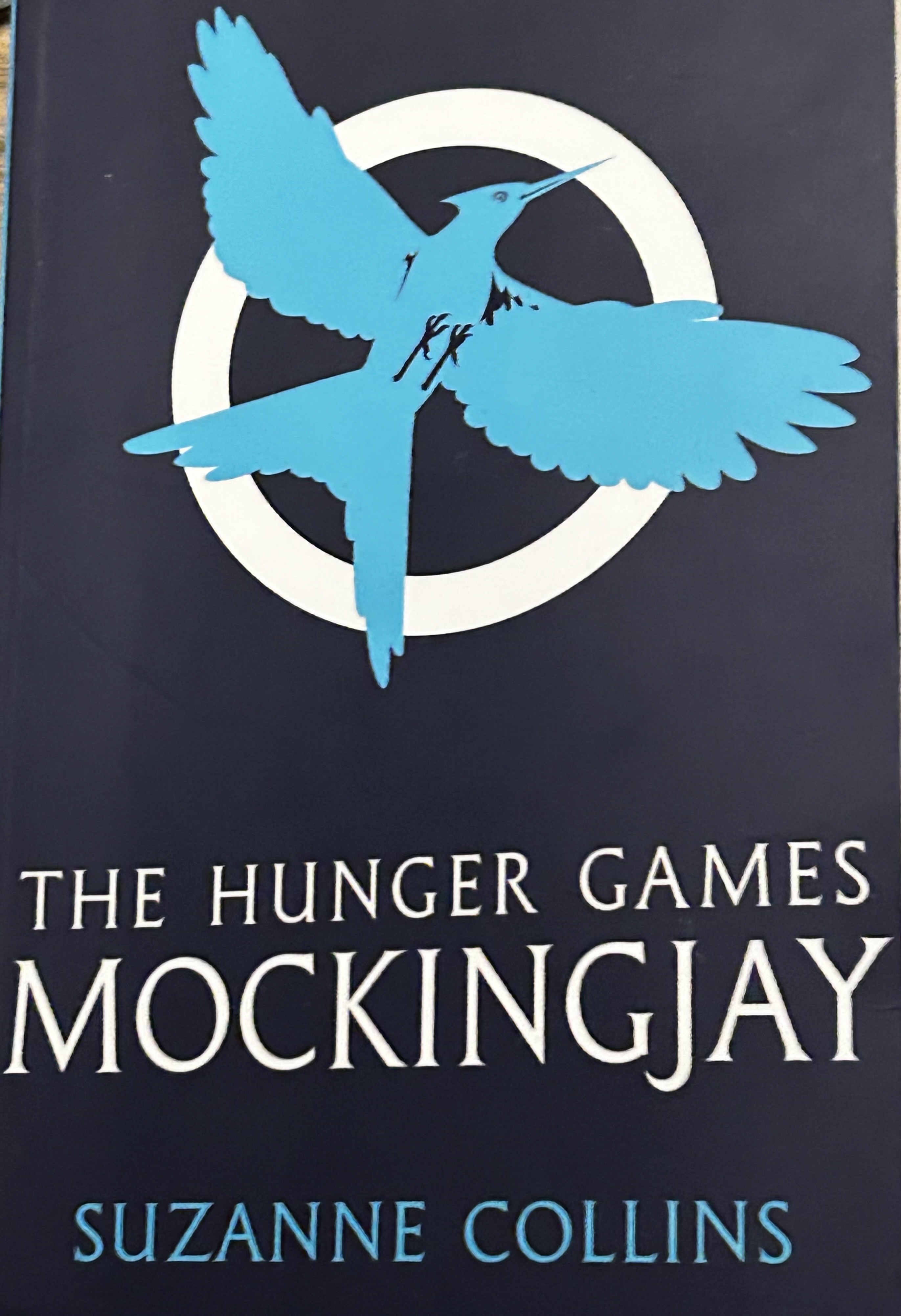


The Hunger Games: Mockingjay
The Hunger Games: Mockingjay is about a fictional war that happens between the capitol and the rebels of District 13. It is the third book in the thrilling Hunger Games series. The book is a good read for all and a near replica of the novel is available in motion capture on Netflix. I think that is really exciting because it keeps you on your toes all the time.
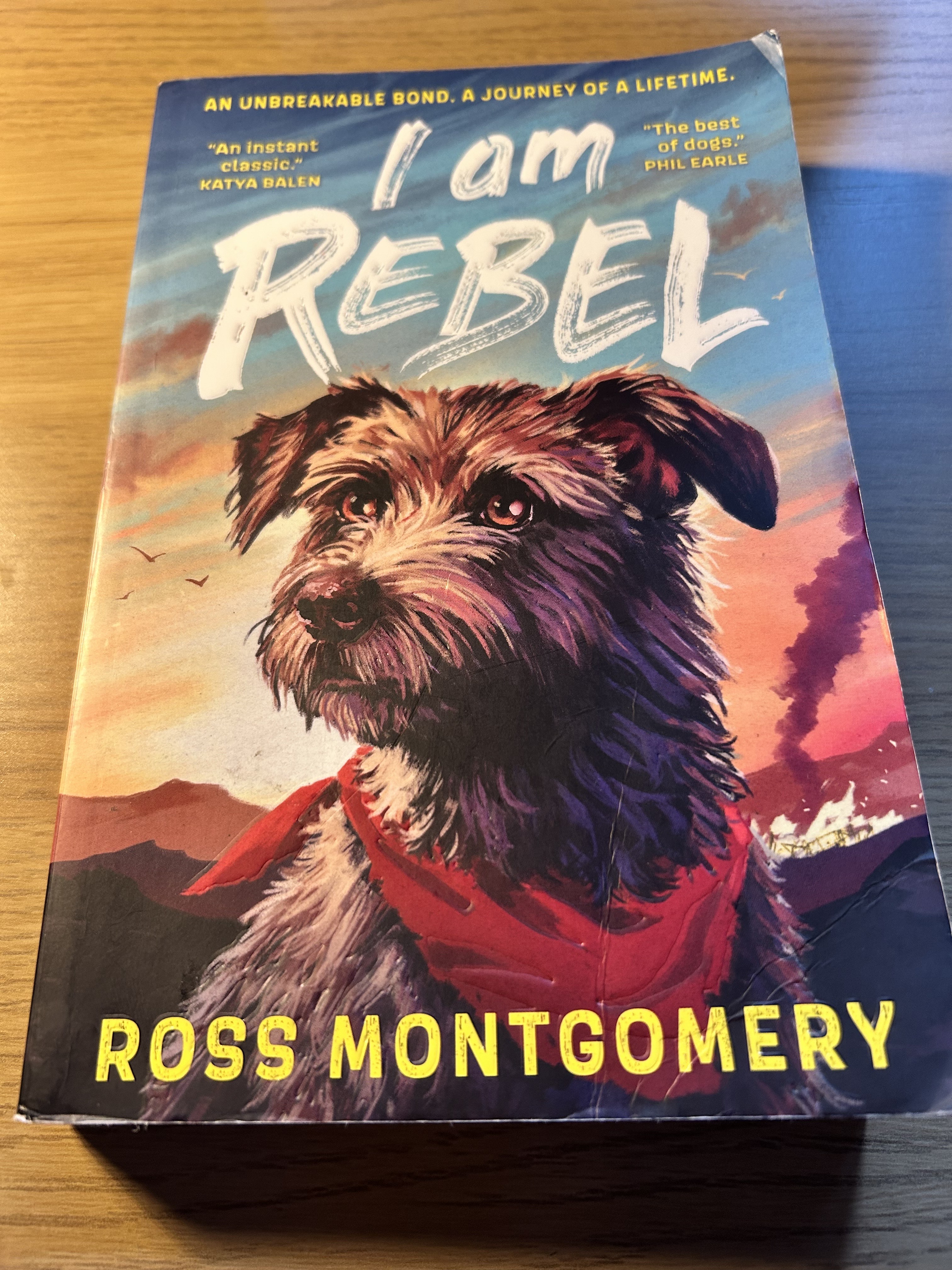
I Am Rebel
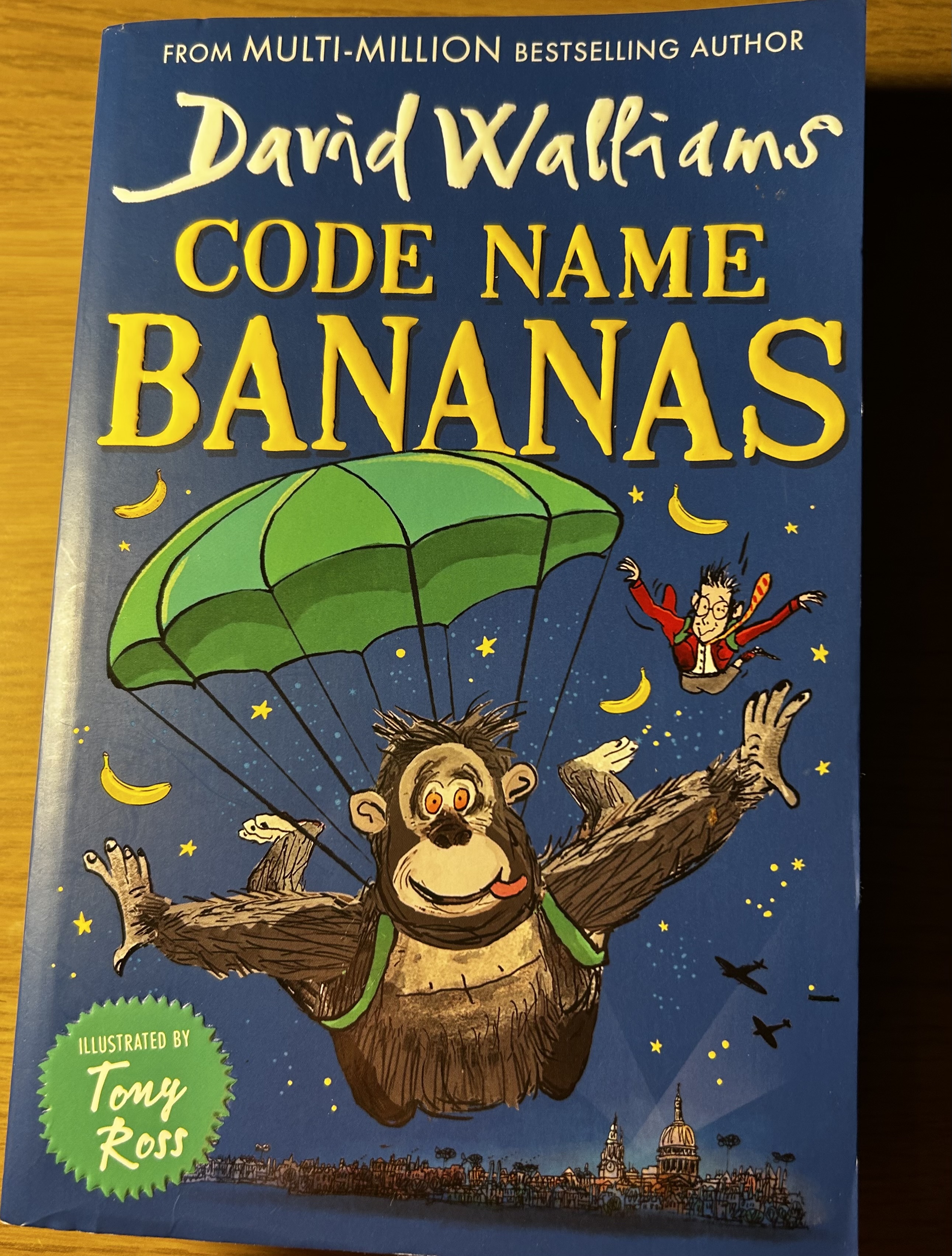
Code Name Bananas
Code Name Bananas by David Walliams is an innovative, comedic book set during World War II. It is about a young Eric during the war. He loves London zoo and visits his friend, Gertrude, everyday. Gertrude is a gorilla and Eric needs to keep her safe. When bombs begin to rain down, the zoo becomes unsafe so Eric must go on an adventure to save the day.
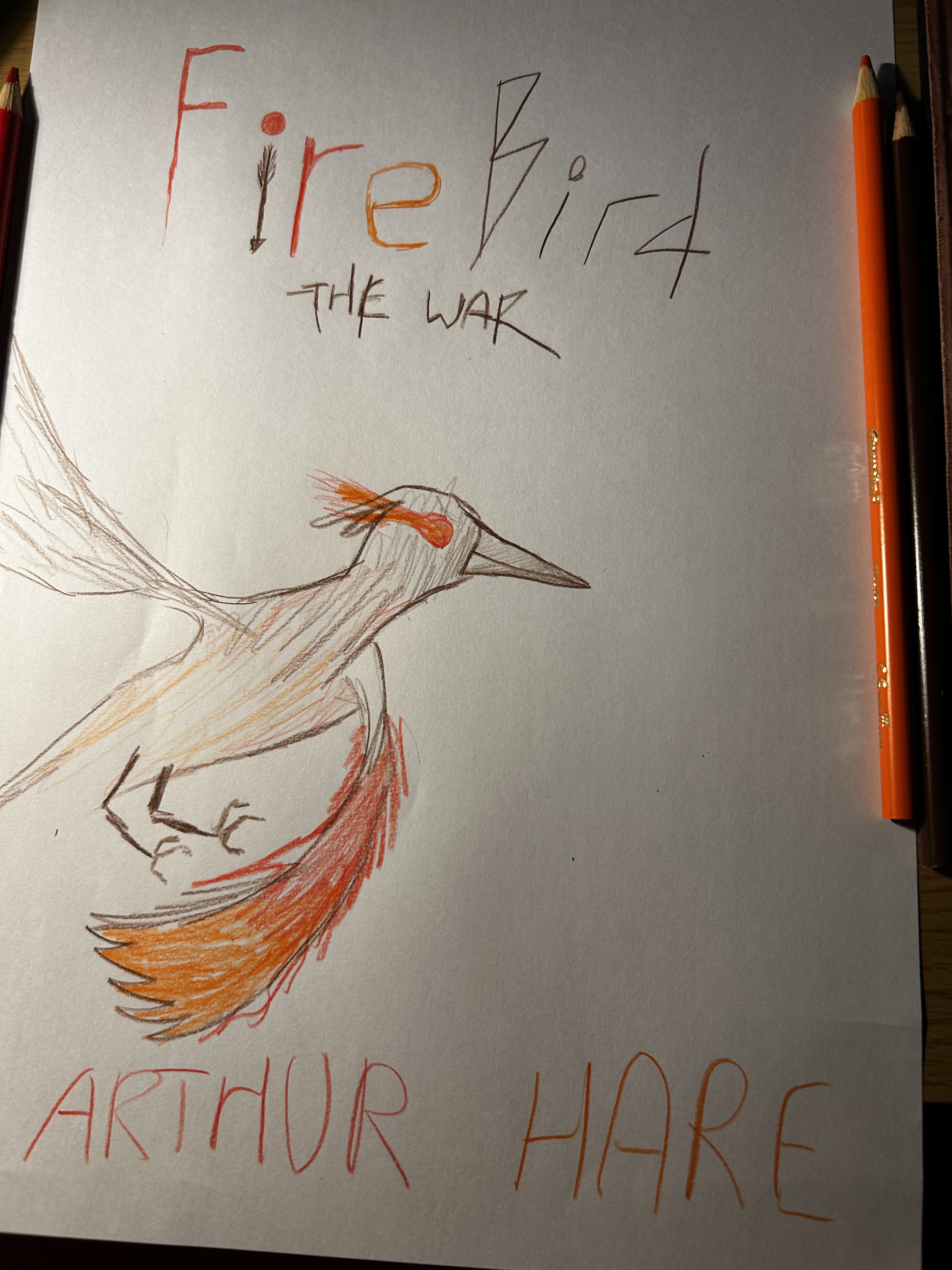
Fire Bird
This is the prologue and first chapter of my book called Fire Bird. It is about a young Bobbie who wants the war to end but must keep his family safe. They must survive in the woods and not be involved in any conflict.
Prologue
The woods were engulfed in darkness as the sun hid behind the trees. A child, a boy, was wobbling as he walked on a fallen log – bow in hand. The forest floor was littered with brown, yellow and orange leaves. A quiver of arrows was slung across his shoulders that had the 13 year-old boy’s initials on it: R.M. Which stood for Robert McAllister, but everyone at home called him Bobbie.
All light that had been in the woods was gone along with everything that could be dinner for the boy’s family. They were unbearably poor and lived in a homemade treehouse that he had been in for as long as he could remember. As if it had heard his thoughts, a well fed young deer hobbled on the muddy floor. Bobbie bent over and drew a sharp, jet black arrow from the quiver and pulled the string. The adorable animal had rolled onto his side with red staining the cloud white fur underbelly of it. The arrow had pierced it directly in the chest where blood now dripped slowly down its body.
Bobbie pulled the arrow out and heard the quiet, raspy breathing of the deer. From his back pocket, the boy pulled a small knife, with which he humanely stabbed it into the animal’s side, reluctant to cause pain for the deer.
1
Carrying the baby deer on his belt, Bobbie took a path through the woods home to the tree house. He knew it like the back of his hand by that point, with and without the autumn darkness. That year, 1939, had become less and less easy to find food in the woods and Bobbie had gone to bed, on more occasions than one, hungry.
The boy’s mouth filled with saliva as he remembered the last time deer had touched his lips, rich and fatty. When he got back to his home, Bobbie knocked on the door, which was a scrap of metal from the woods. His mother, pregnant and sick, pulled it open and ushered him in. The deer was over his shoulder and completely lifeless. “Get in, dear,” His mother wheezed, coughing into her hand, “let’s get that deer over the cooker. It’s a fat one.” Bobbie put it on the tray over the fire and sat on the raggedy sofa. His sister, Mary, walked in with her teddy bear in hand. Bobbie watched her face light up at the deer before her.
“Mummy! We can have big dinner now!” She squealed happily, clutching her teddy even tighter.
Since the war had started, most of the family had been forever miserable, but not Mary. She was the happiest girl in the world, oblivious to any kind of conflict that was happening.
 AstroArthur